






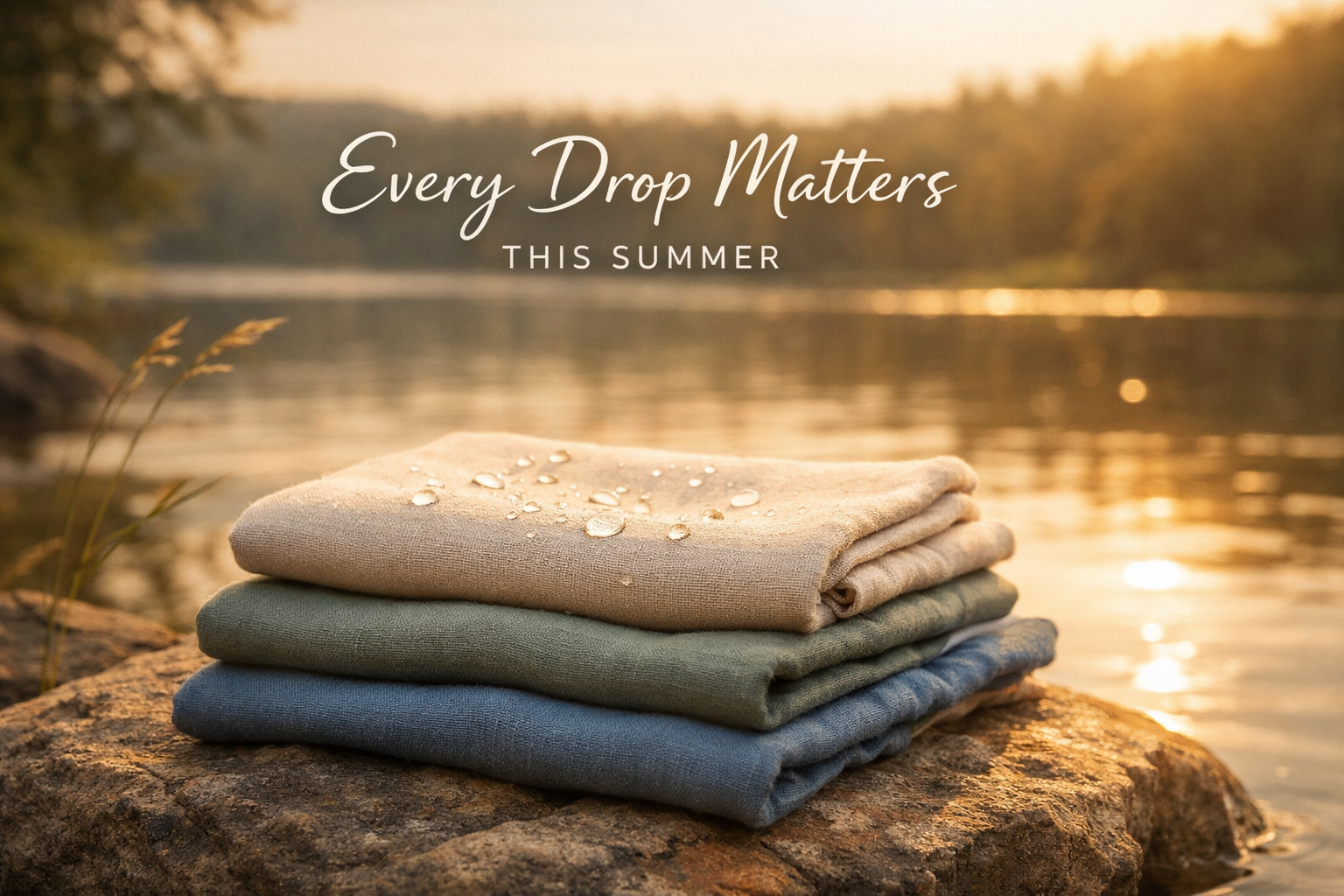
Introduction: Summer, Heat & The Value of Every Drop
As temperatures rise across India during peak summer, water becomes one of our most precious resources. From hydration and agriculture to daily household needs, water plays a critical role in sustaining life.
But while we consciously try to drink more water and stay cool, we often overlook one hidden truth the clothes we wear also consume massive amounts of water during production.
With growing search interest around terms like water consumption in fashion industry, how much water does clothing production use, and sustainable fashion water impact, more consumers are realizing that water conservation goes beyond turning off taps. It extends to our shopping choices.
Why Water Is Crucial During Summer
During summer, water demand increases significantly due to higher temperatures leading to dehydration, increased irrigation needs, greater household consumption, and energy production requirements.
In India, where water scarcity affects multiple regions every year, responsible usage becomes even more critical. Saving water is not just an environmental choice it is a necessity.
The Hidden Water Footprint of Fashion
One of the most searched sustainability questions today is how much water it takes to make clothes. The answer is alarming.
The global fashion industry is one of the largest consumers of freshwater. Conventional cotton farming, dyeing processes, and fabric treatments require enormous quantities of water. Textile dyeing is also among the biggest sources of water pollution worldwide.
This is why searches related to water pollution from textile industry and fast fashion environmental impact continue to rise. When we buy fast fashion without thinking, we indirectly contribute to water depletion and contamination.
Sustainable Fashion: A Water Conscious Alternative
Sustainable fashion focuses on reducing water usage, minimizing pollution, and choosing environmentally responsible production methods.
Key practices include using natural and regenerative fibers, avoiding toxic chemical dyes, promoting slow fashion over mass production, and designing durable products that last longer.
Search trends like eco friendly clothing India, sustainable clothing brands India, and low water footprint fabrics show that consumers are actively looking for better alternatives.
How MaLeeMa Contributes to Water Conservation
At MaLeeMa, sustainability is not a trend it is a responsibility.
By working with plant based materials like banana fiber and bamboo blends, MaLeeMa supports alternatives that generally require less water compared to conventional cotton farming.
Mindful, small batch production reduces excessive resource consumption, including unnecessary water waste that typically happens in mass manufacturing.
Creating durable, long lasting products also reduces the need for frequent replacement, which lowers overall water usage across production cycles.
Plastic free and conscious packaging further prevents microplastic pollution that contaminates water bodies.
Why Your Summer Wardrobe Choices Matter
Summer often means shopping for lighter, breathable fabrics. But instead of turning to fast fashion, choosing sustainable clothing can significantly reduce your personal water footprint.
When you choose eco friendly fabrics, ethically made garments, and durable accessories, you are indirectly supporting water conservation. Every purchase decision plays a role.
Small Summer Habits That Save Water
Along with mindful shopping, you can wash clothes in full loads, choose cold water washes, air dry instead of using dryers, and invest in fewer but better quality garments.
Sustainable living is not about perfection it is about making better choices consistently.
Conclusion: Protect Water, Protect the Future
Water is life, especially during the harsh summer months. While staying hydrated is important, protecting water resources is equally critical.
The fashion industry has a significant water footprint, but conscious brands and mindful consumers can change that narrative. By supporting sustainable brands like MaLeeMa and choosing eco friendly alternatives, you become part of a movement toward water conservation.
This summer, let your choices reflect care for yourself, for communities, and for the planet. Because saving water does not start at the tap. It starts in your wardrobe.